Vasilisa & Baba Yaga
A Reimagining of a Slavic Folktale for the Autumn Equinox
Vasilisa lived with a stepmother and stepsisters who treated her poorly, burdening her with hard work and wishing, secretly, that she would disappear.
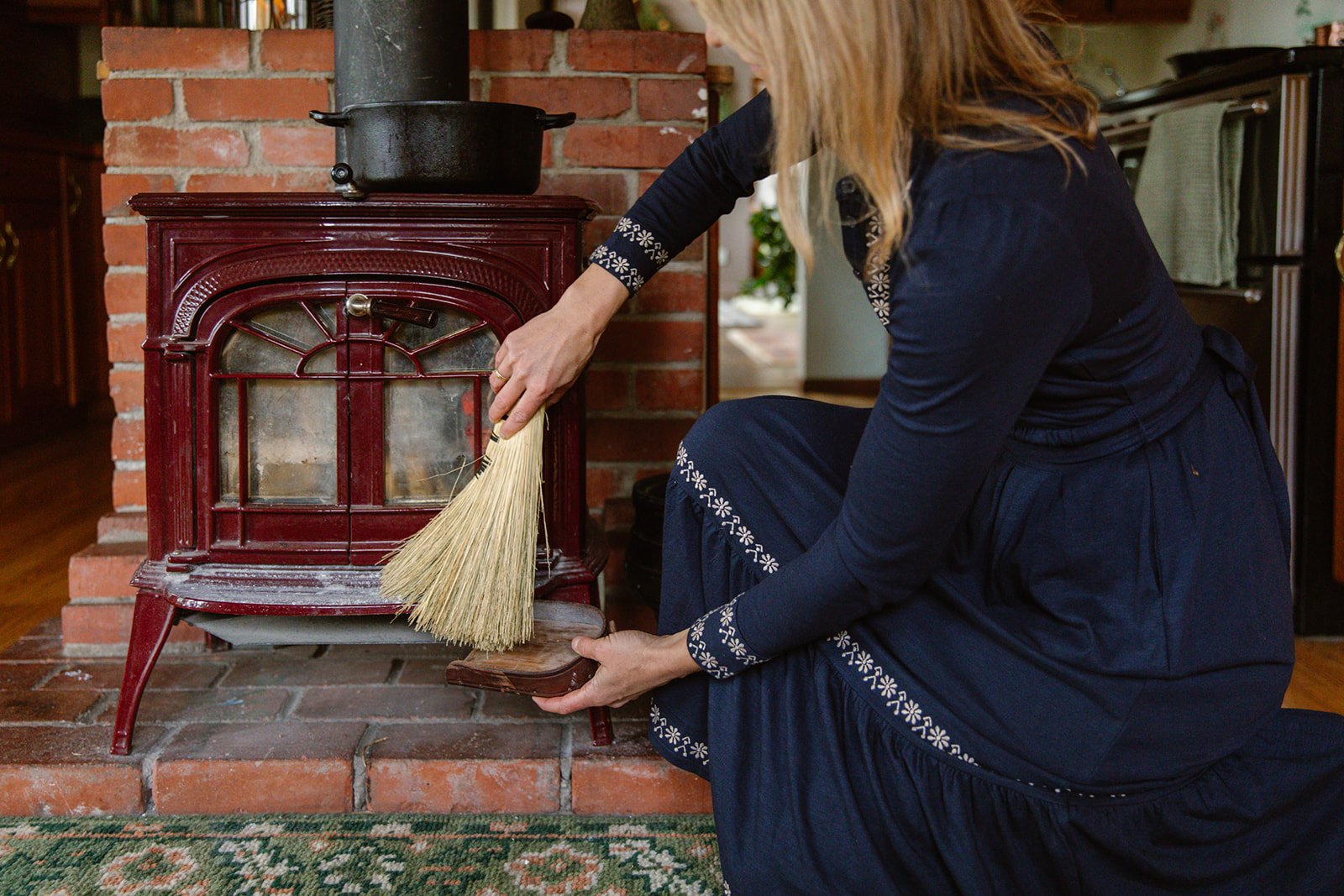
One autumn, as the days shortened and the nights grew cold, Vasilisa’s stepmother allowed the family hearth to go out.
“You have let our fire die,” she accused Vasilisa. “Go into the forest and find Baba Yaga. She has fire. Bring it home.”
Vasilisa was terrified.The forest was dark and unfamiliar, and Baba Yaga was an old witch known to be both wise and dangerous.
Vasilisa reached for what had guided her in troubled times; a small doll that was passed down from her mother, and her mother’s mother, and the mothers who came before them. Whenever Vasilisa was frightened or uncertain, she ran her fingers over the old seams of this doll and listened.
Do not be frightened, the doll told her. I will be with you.
So Vasilisa tucked the doll into her pocket, wrapped a shawl around her shoulders and entered the forest.
She walked through the fading light and into the dark, jumping at every rustle and creak among the trees. Whenever the path divided and she did not know which way to turn, she reached for her doll.
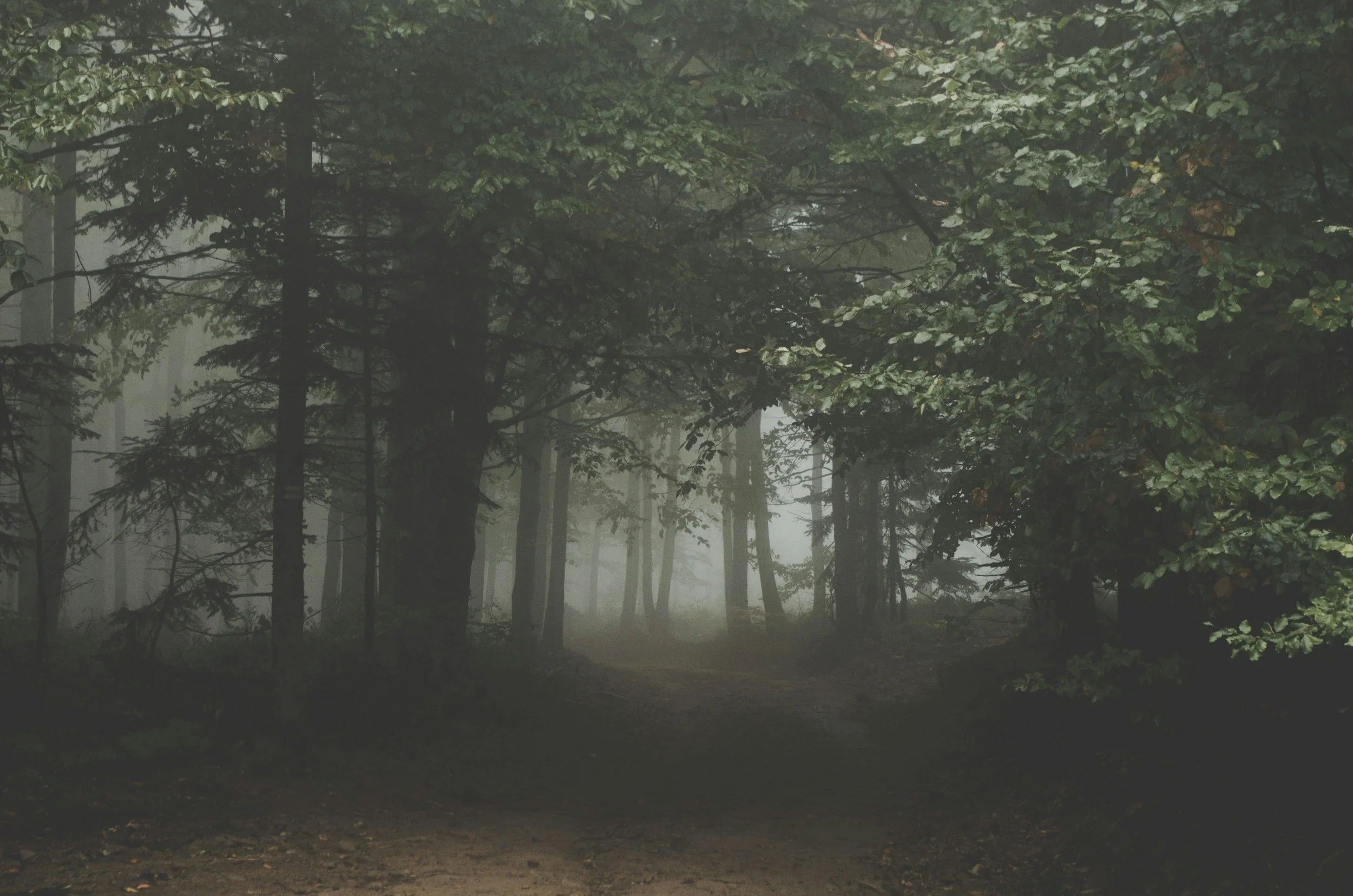
At last she came to a clearing.
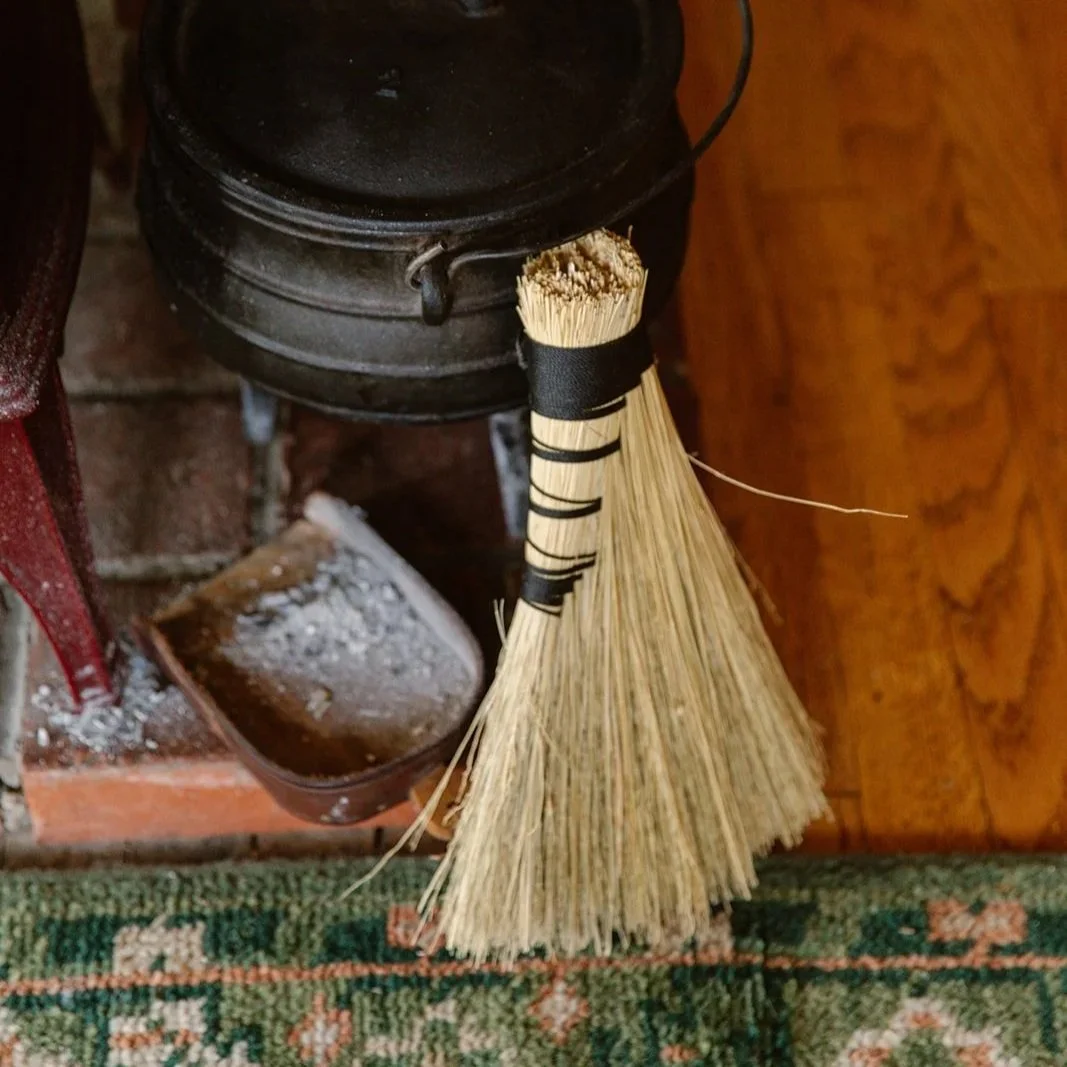
Through a fog she could see Baba Yaga’s strange cottage, perched upon enormous chicken legs and surrounded by a fence of bones. As a strange wind blew, Baba Yaga herself came rushing through the forest in a great mortar, steering with her pestle and sweeping away her tracks with a broom.
Her gray hair hung wild around her face, her fingernails curled like claws, and her eyes shone with a fierce and radiant brightness.
Vasilisa, averting her eyes but gathering courage.
“Baba Yaga, our hearth has gone cold. I have come to ask you for fire.”
Baba Yaga studied her.
“I will give you fire,” she said, “but first you must work for it.”
Inside the cottage were heaps of roots, herbs, leaves, bones, dirt and berries.
“Separate what is medicine from what is waste,” Baba Yaga commanded. “Keep what will heal in sickness. Throw the rest upon the compost.”
Vasilisa did not know one root from another.
How will I ever know what to keep? she wondered.
She reached into her pocket.
I will show you, whispered the doll.
And together they sorted.
Medicine from waste.
What was useful from what could be returned to the earth.
The following night Baba Yaga gave Vasilisa an enormous pile of grain.
“Separate the wheat from the chaff before morning.”
Again, an impossible task.
Again, the doll whispered:
I am with you. I will guide you.
And they sorted.
Grain from chaff.
What nourishes from what does not.
Finally, Baba Yaga brought Vasilisa a great pile of dirt mixed with tiny poppy seeds.
“Separate every seed from the dirt before nightfall.”
By now, Vasilisa knew to trust herself.
She sat beside the pile and began to look carefully.
Seed from dirt.
This from that.
What to keep.
What to release.
And when the final task was finished, Baba Yaga looked deeply into Vasilisa’s eyes.
The frightened girl who had entered the forest had faded.
A young woman looked back at her, her eyes clear and bright.
Baba Yaga smiled.
“You have earned your fire.”
Outside the cottage, Baba Yaga took a skull from her fence. Within it burned a glowing ember, its radiant light shining through the empty eyes.
“Carry this home,” she told Vasilisa. “And with it, carry my blessing.”
Vasilisa lifted the skull and began her journey.
The forest that had frightened her only days before no longer seemed so dark. The fire illuminated the path, and Vasilisa saw clearly the way home.
Perhaps the forest had not changed.
Perhaps Vasilisa had.
When she arrived home, she carried the burning skull into the cold hearth room. Its radiant eyes fell upon the stepmother and stepsisters, and in an instant they were reduced to ash.
The Wisdom of the Story
Again and again, Vasilisa is asked to sort:
Medicine from waste. Grain from chaff. Seed from dirt.
She is learning the art of discernment.
This feels like an especially beautiful teaching for autumn.
As we gather the harvest and prepare for the darker months, we too are invited to sort through what has grown in our lives.
What will nourish us moving forward?
What bitters have become medicine?
What is worth carrying forward to the next planting?
And what is ready to be returned to the compost?
At the beginning of the story, Vasilisa enters the forest frightened and uncertain, continually reaching for the little doll—the wisdom passed down through the mothers who came before her.
Slowly, by listening to that quiet guidance, she develops eyes that can see clearly.
When she finally carries Baba Yaga’s fire home, it does more than warm the hearth.
It illuminates and clarifies.
This is one of autumn’s invitations: to tend our own inner fire brightly enough that we can see what we wish to carry into the darker half of the year—and what we are ready to leave behind.