Osha Root: Spring Medicine for the Bears
A Rocky Mountain Plant Worth Protecting
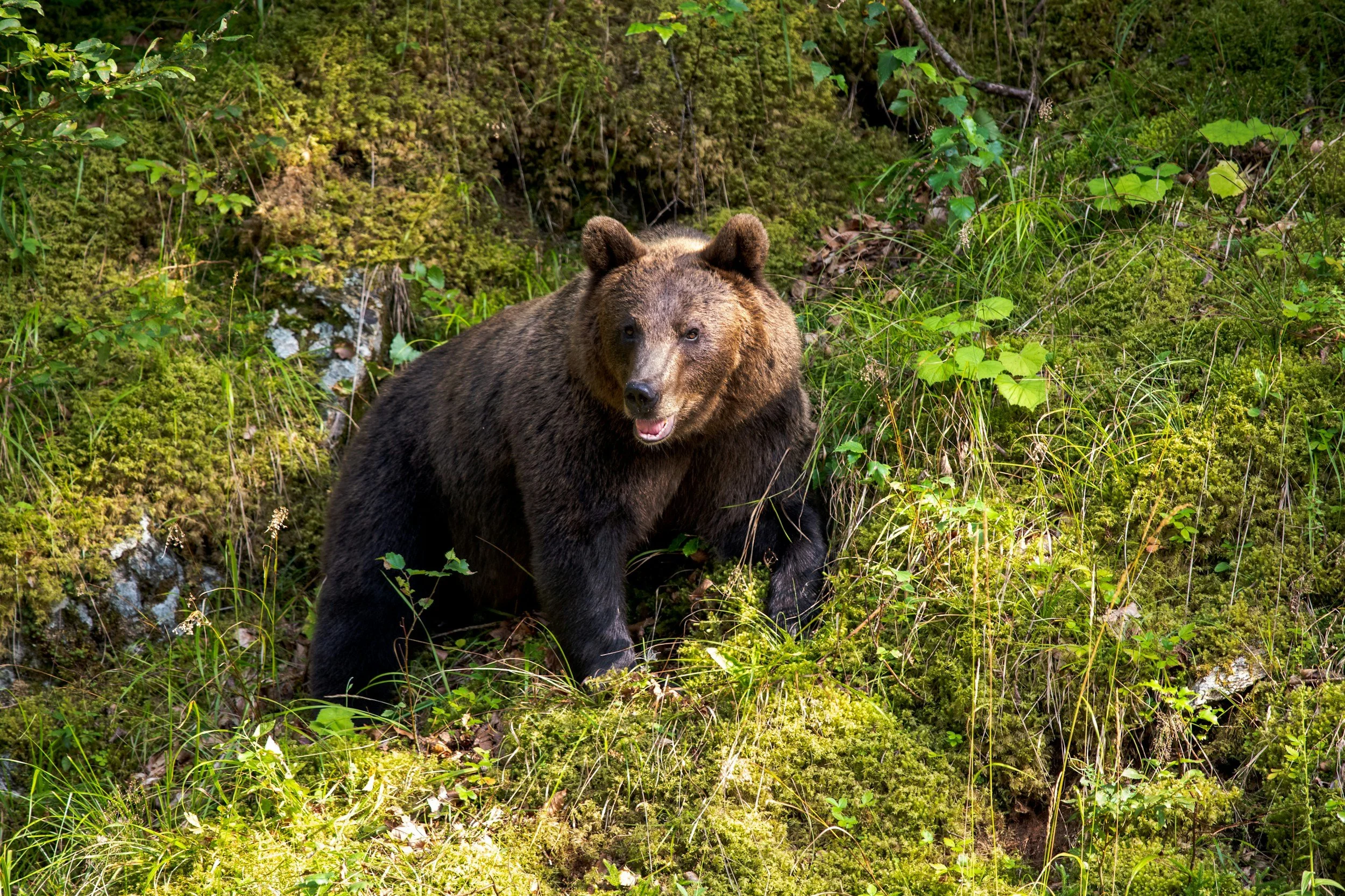
When the long mountain winter begins to loosen its grip and the snow slowly melts back from the forest floor, the bears wake. After months of hibernation their bodies are stiff, their digestive fire is low, and their immune systems vulnerable. The early spring landscape does not yet offer berries, lush greens, or abundant forage. A deep intelligence guides the bears to seek out powerful medicine rooted in the mountain soil.
One of their most potent medicines is Osha root. Bears emerging from hibernation instinctively seek out this plant. Observers have long noticed bears digging up the root, chewing it, and sometimes rubbing it on their fur. This treasured plant grows in the high elevations of the Rocky Mountains and has long been revered by Indigenous communities, herbalists, and wildlife alike.
After months of winter, bears and humans can be vulnerable to respiratory infections and sluggish circulation. Osha’s aromatic compounds stimulate the lungs, clear congestion, and help the body fight pathogens. Its flavor is strong, spicy, and aromatic. For bears, this medicine appears to help wake up their vital systems from hibernation. For humans, it has long been valued as one of the most potent herbal medicines of the Rocky Mountains. Traditional herbalists use Osha for respiratory and immune support, digestion and circulation boost and even helps the acclimate to high altitude by increasing oxygen uptake.
A Plant in Need of Protection
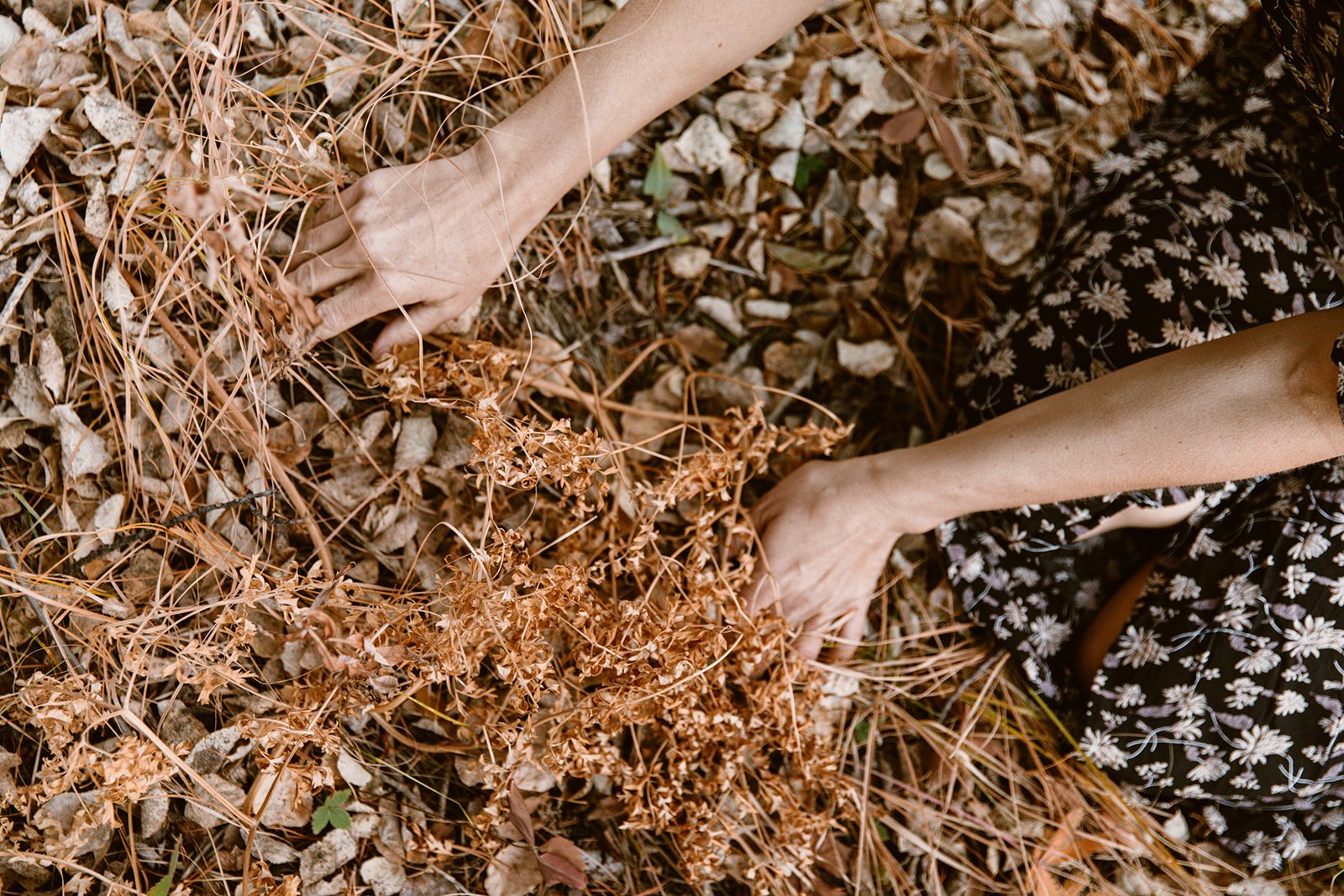
As Osha’s reputation has grown, so has the pressure placed upon it. Unlike many herbs that regenerate quickly, Osha grows slowly in high mountain ecosystems. Harvesting the root kills the plant, and heavy harvesting can quickly deplete local populations. In many areas of the Rockies, Osha is now considered vulnerable due to overharvesting.
Just as bears rely on this plant to recover from winter, humans have increasingly removed it from the landscape. For this reason, many herbalists are now shifting their relationship with Osha toward reverence rather than consumption. Sometimes the most respectful way to work with a plant is simply to know it and leave it where it grows.
The Hemlock Look-Alike: A Serious Caution
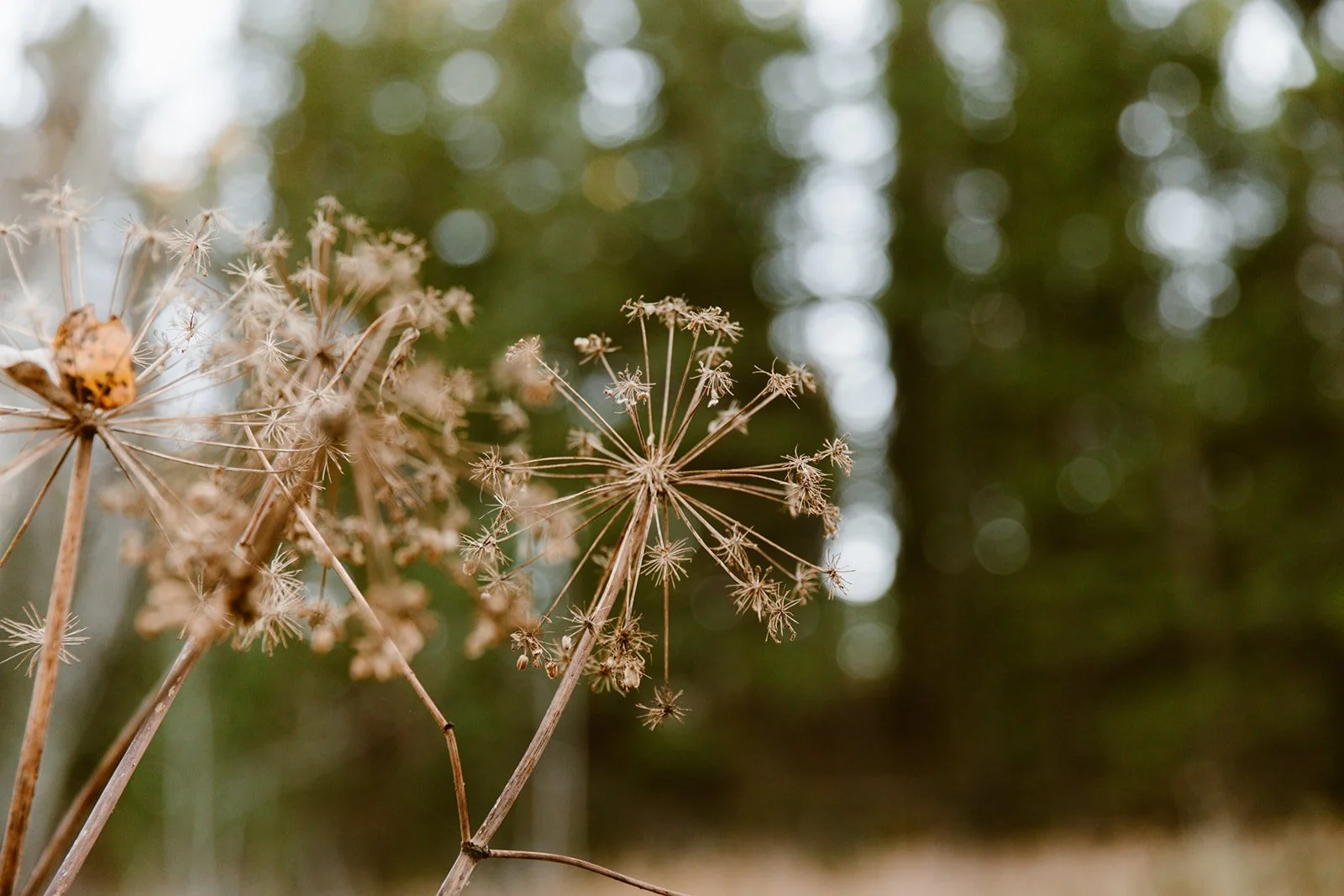
One of the most important reasons to avoid harvesting Osha is that it closely resembles several toxic plants, most notably Poisonous Hemlock, known scientifically as Conium maculatum. Poison hemlock is extremely toxic and historically infamous; it was the plant used in the execution of the philosopher Socrates.
Both plants belong to the carrot family and can look similar to the untrained eye.
Key differences include:
Osha
• Strong celery-like aroma when root or leaves are crushed
• Hairy leaf stems
• Grows in high mountain forests (often 7,000–10,000 ft)
Poison Hemlock
• Smooth purple-spotted stems
• Unpleasant odor
• Often grows in disturbed soils and lower elevations
However, visual identification alone is not reliable enough for beginners.
Because of this risk, herbalists strongly caution against harvesting Osha unless trained in advanced plant identification.
Osha Alternatives in the Rocky Mountains
Fortunately, the mountains offer many plants that support the lungs and immune system without placing pressure on Osha populations.
Here are a few wonderful alternatives.
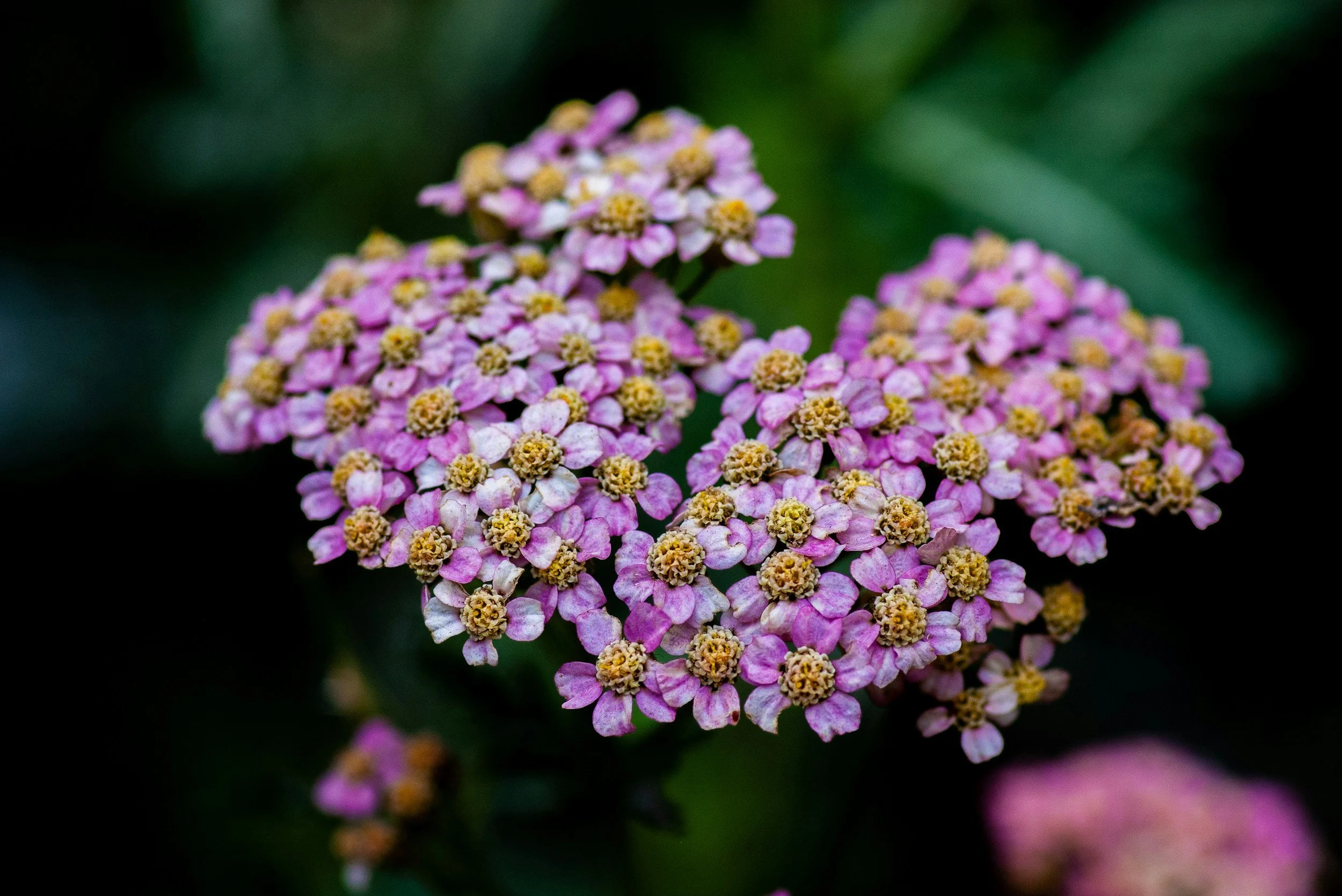
Yarrow (Achillea millefolium) is one of the most widespread medicinal plants in the Northern Hemisphere.
Benefits:
• Immune function
• Fever regulation
• Wound healing
• Circulation
Yarrow is abundant and resilient, making it a wonderful everyday ally.
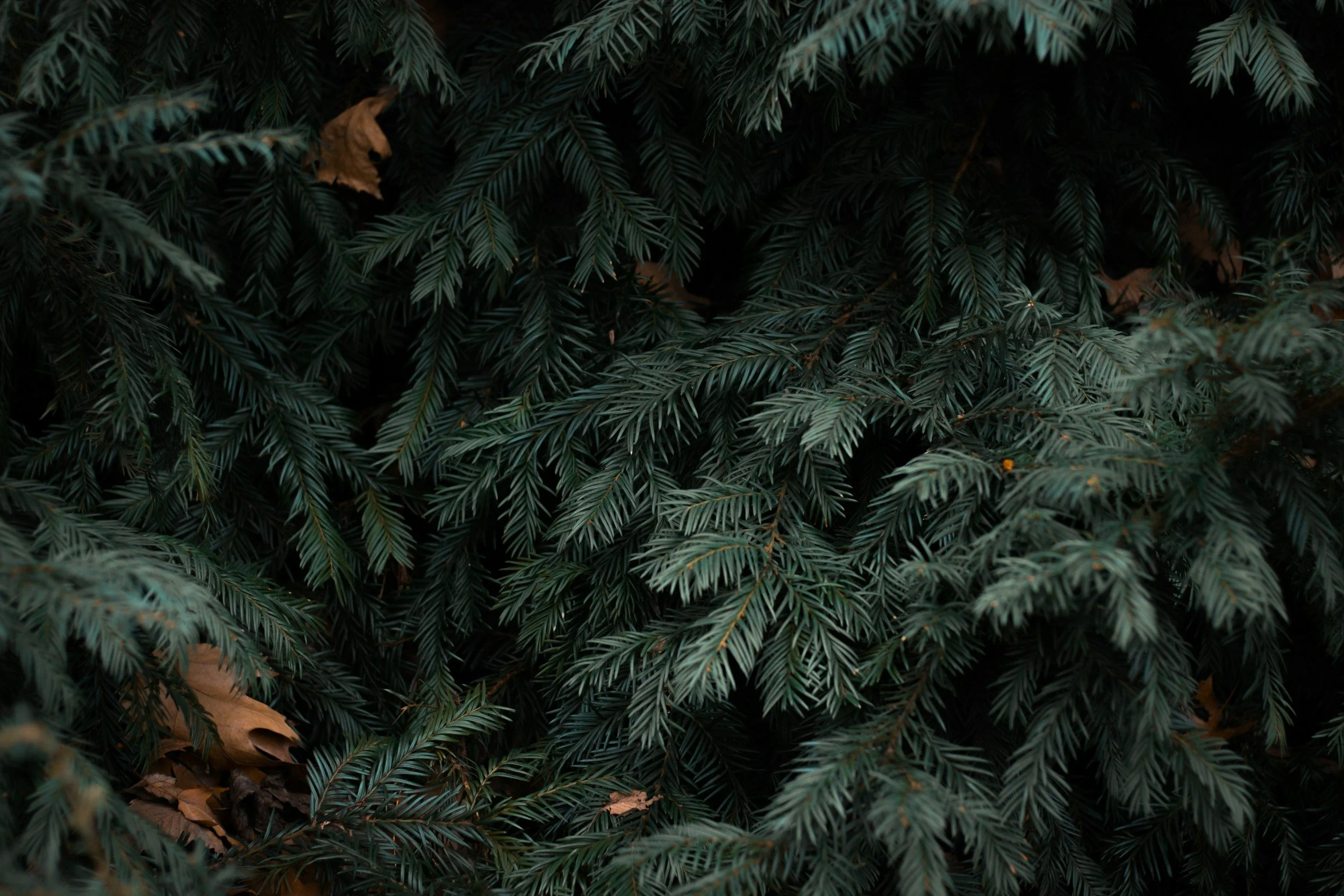
Pine Needles (Pinus species) are a generous and abundant medicine throughout the Rocky Mountains.
These fragrant evergreen needles are rich in vitamin C and volatile oils that support the respiratory system and overall vitality. Pine has long been used as a winter and early spring tonic when fresh green medicine is scarce.
Medicinal Uses:
• Lung health
• Immune resilience
• Gentle decongestion
• Circulation and warmth
A simple pine needle tea or steam can help open the lungs and clear the breath. The bright, resinous aroma alone can feel like medicine; reminding us of the vitality stored in the forest through the cold months. Pine is widely available and can be harvested lightly and respectfully without harming the tree, making it a beautiful and sustainable ally in the mountains.
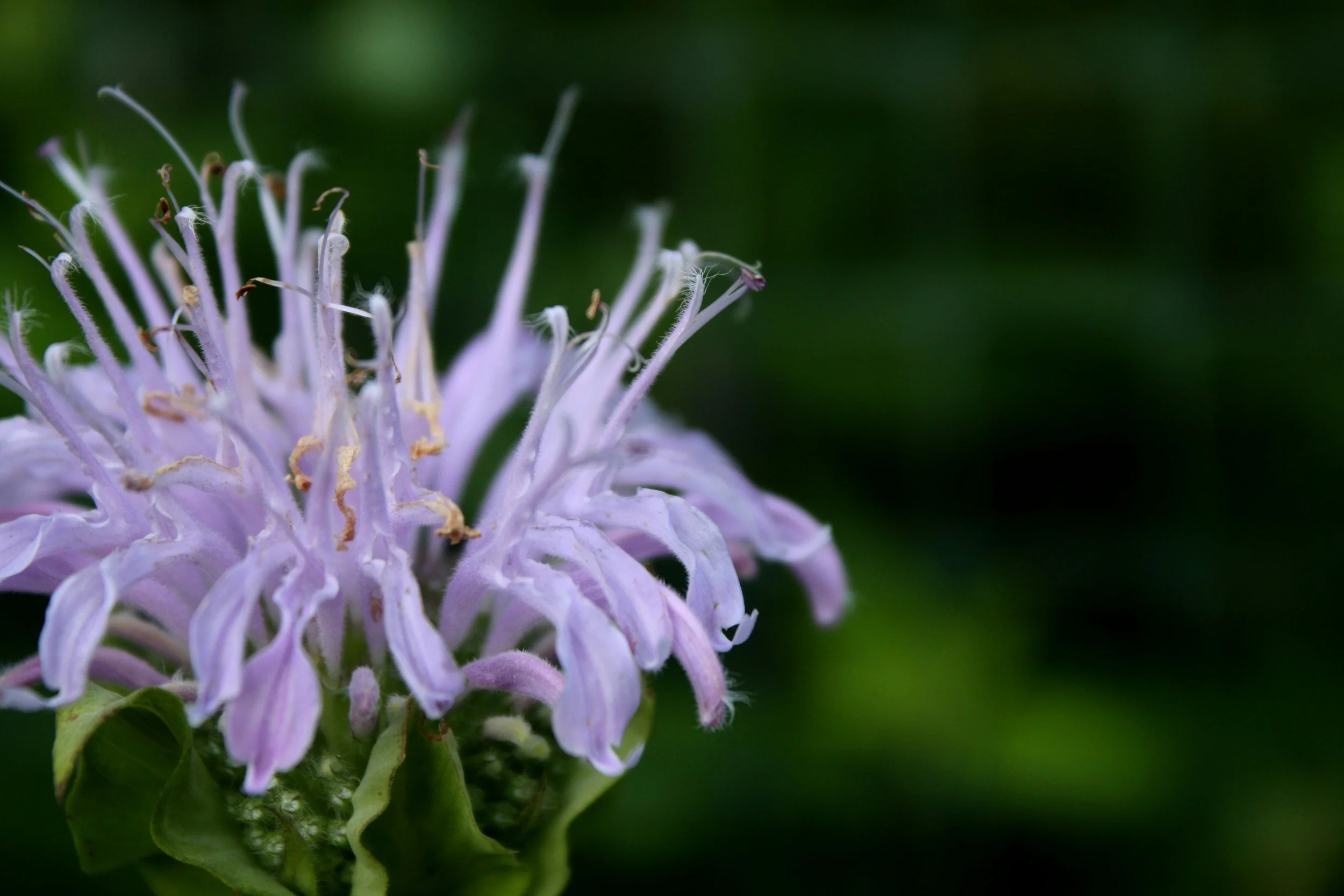
Bee Balm (Monarda fistulosa) grows widely across the mountain West.
This aromatic mint family plant supports:
• Lung health
• Digestion
• Immune resilience
It has a beautiful oregano-like flavor and makes an excellent tea or honey infusion.
Tending the Wilderness
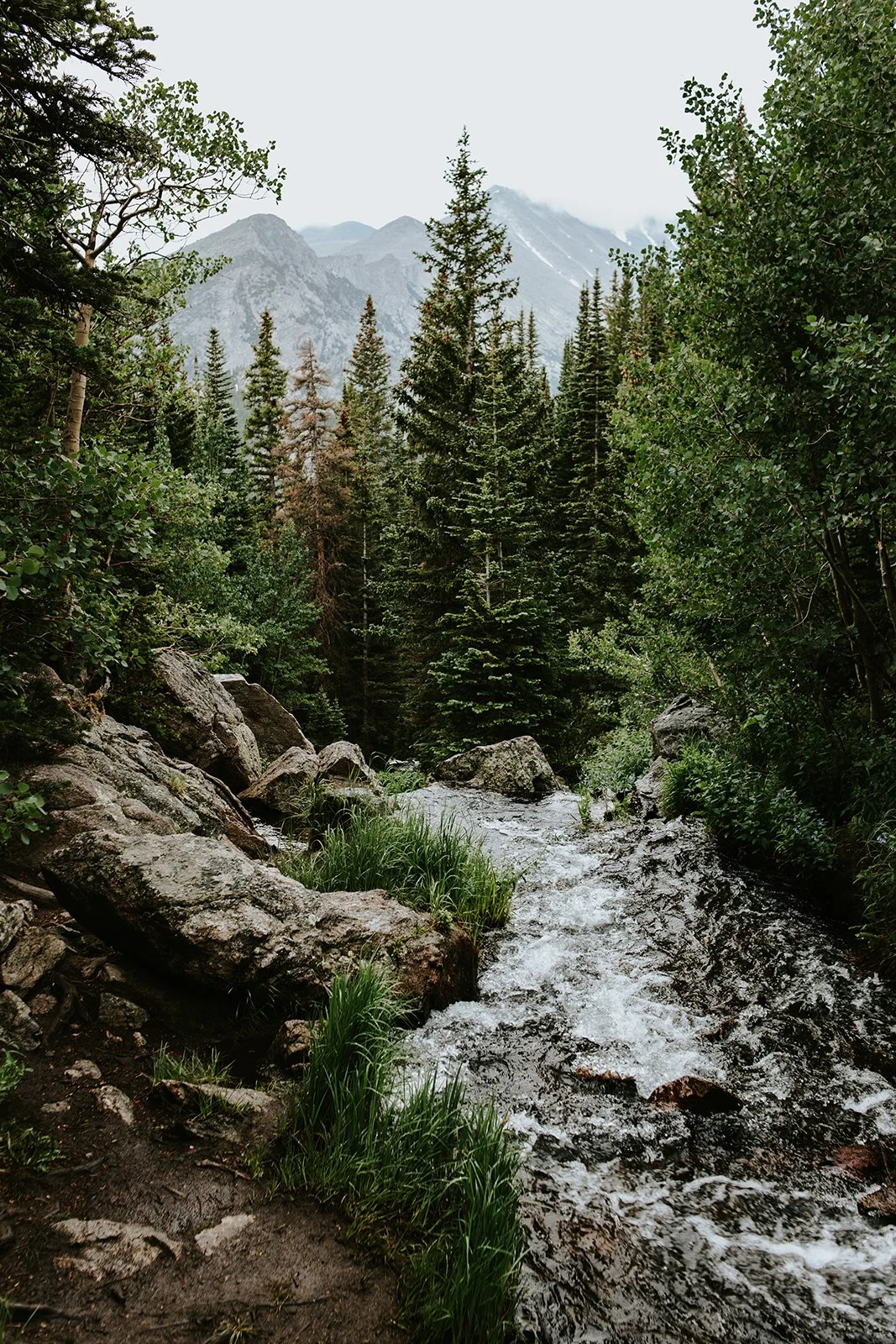
Our health is inseparable from the health of the land. It’s not enough for our bodies to be well; the whole ecology around us must remain vital. Protecting these plants ensures they continue to support the wildlife and the living systems of the mountains.
The mountains hold countless healing plants. But the true medicine may be learning how to live in the right relationship with them.
Some medicines are meant to be harvested and others are meant to be guarded for the wild ones who need them most. Osha root is a great treasure of the Rocky Mountains, let's make sure it stays that way.